
What Makes a Captivating Portrait for Me?
A captivating portrait tells a story and captures the essence of a person. It’s about presenting the personality, emotions, and life of the subject in a way that engages and moves the viewer. To create such a portrait, I use various techniques that influence the tension and depth of the image.


The Tension Arc in a Portrait
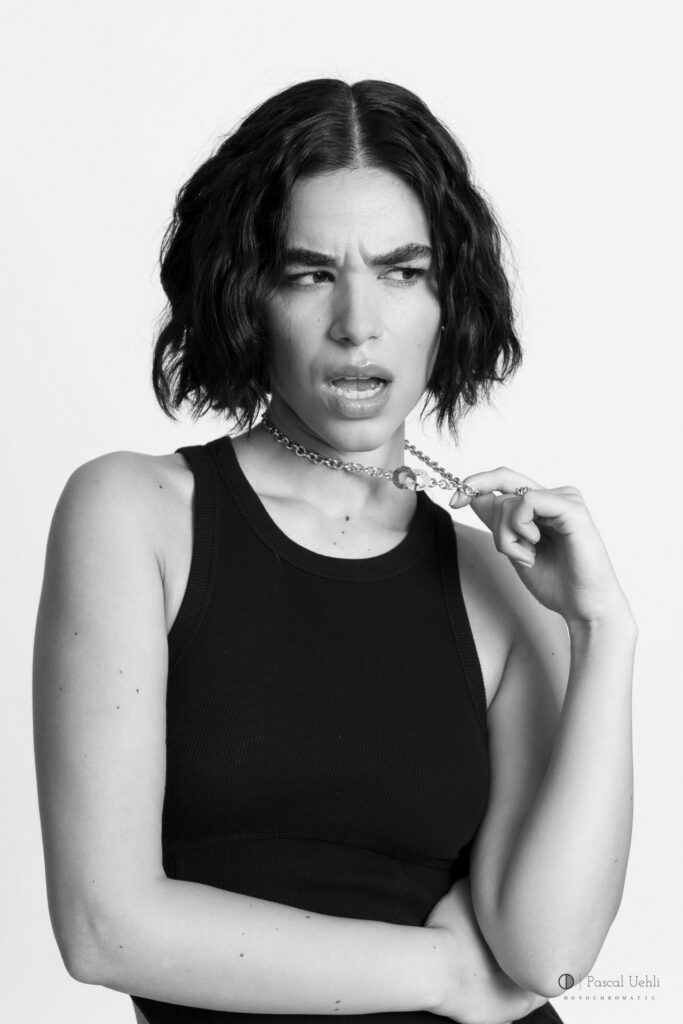
The tension arc in a portrait is what makes the image interesting and lively. It is created through the combination of composition, light, emotions, and expression. Imagine looking at a portrait and immediately feeling a connection or curiosity—that’s the tension arc. It draws you into the image and holds your attention. A good portrait always has something unspoken, something that makes the viewer look longer and think deeper.
The Rule of Thirds in Photography
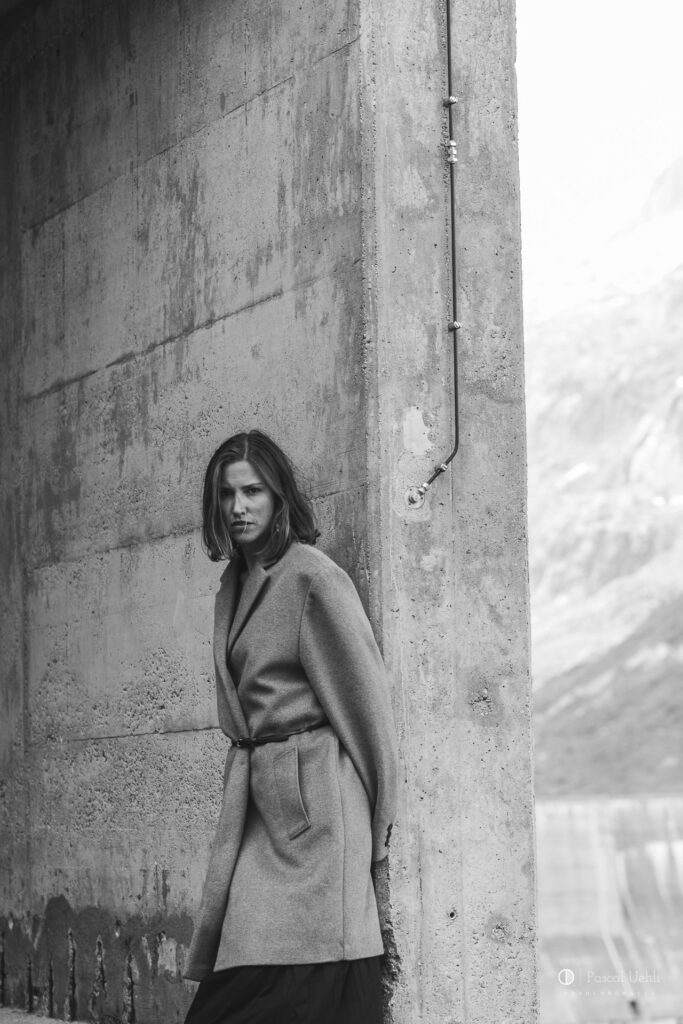
Another element I often use is the rule of thirds. This rule suggests dividing the image into nine equal parts—two horizontal and two vertical lines. By placing the subject along these lines or at their intersections, a harmonious and appealing composition is created. In portrait photography, this can be especially effective for creating different moods.
If I want to make a person appear heroic, I often place them in the upper third, which suggests power and superiority. To convey suppressed emotions, I choose the lower third, making the person appear smaller and more vulnerable.
Depth of Field and Emotional Nuances
Depth of field is a powerful tool for creating emotional nuances in a portrait. An open aperture (small f-number) results in a shallow depth of field, making the background blurry and highlighting the subject. This technique can give a portrait a soft and emotional touch. For example, you can intensify the feeling of sorrow by focusing only on the person’s face and blurring the background, creating an isolated and lonely mood.
On the other hand, a closed aperture (large f-number) and hard lighting can create expressive and confident images. This is particularly effective when you want to depict strong characters or convey a powerful message. The sharp contours and clear details throughout the image give the portrait a certain hardness and determination.
Lighting Mood for Drama and Cheerfulness
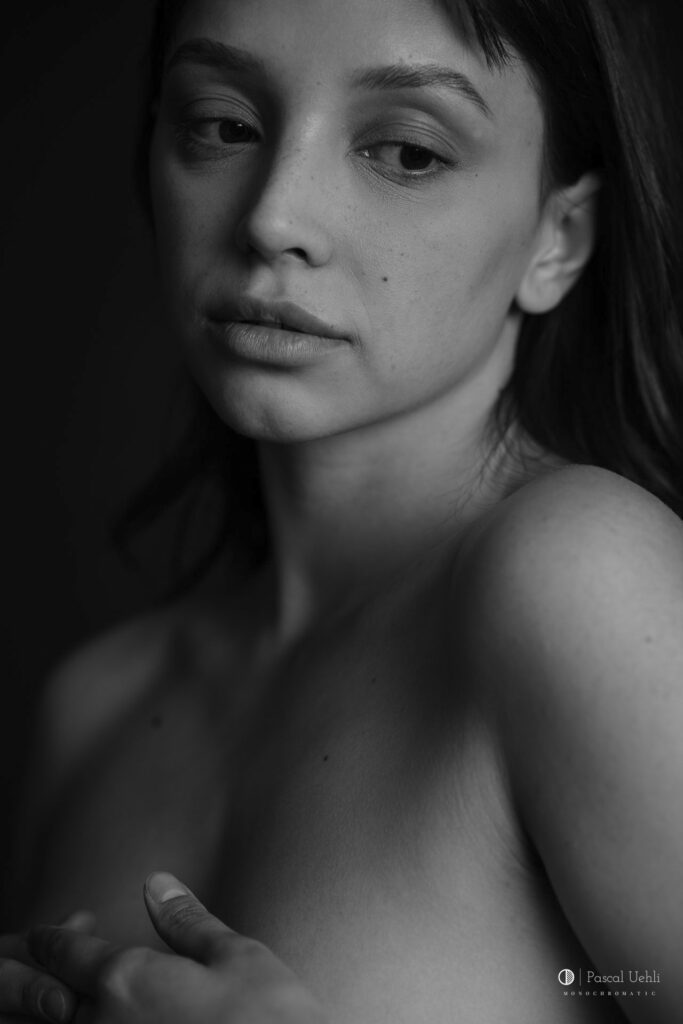
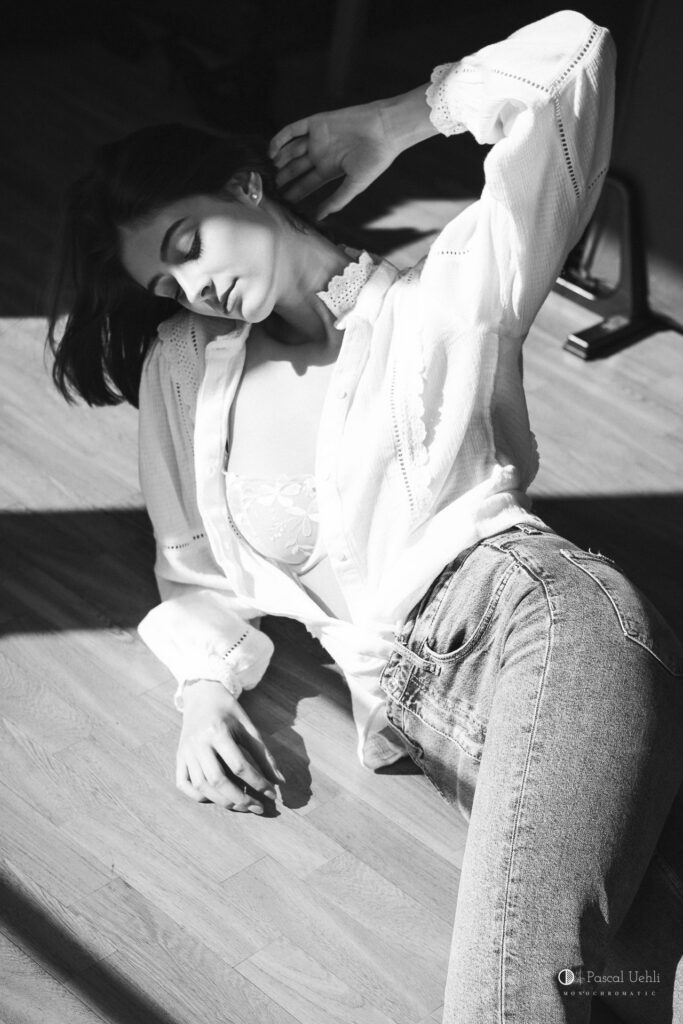
Lighting mood plays a central role in conveying emotions in a portrait. To create drama, I often use a gloomy lighting setup with little or muted light sources. This can emphasize shadows and contrasts, creating an intense and mysterious atmosphere. For cheerful and happy emotions, I use bright lighting elements. Soft, diffused light or daylight can help create a friendly and optimistic mood.
High-contrast images are also very helpful for directing the viewer’s focus. By emphasizing the eyes, for example, I can highlight the emotional depth of the gaze and allow the viewer to look directly into the soul of the portrayed person.
Summary
A captivating portrait is created through the skillful use of composition, depth of field, and lighting mood. The tension arc captures the viewer’s attention, the rule of thirds ensures harmonious and meaningful compositions, depth of field brings out emotional nuances, and the lighting mood conveys the desired atmosphere. With these techniques, I succeed in creating portraits that not only depict the outer appearance but also the inner emotions and stories of people.
Leave a Reply
You must be logged in to post a comment.