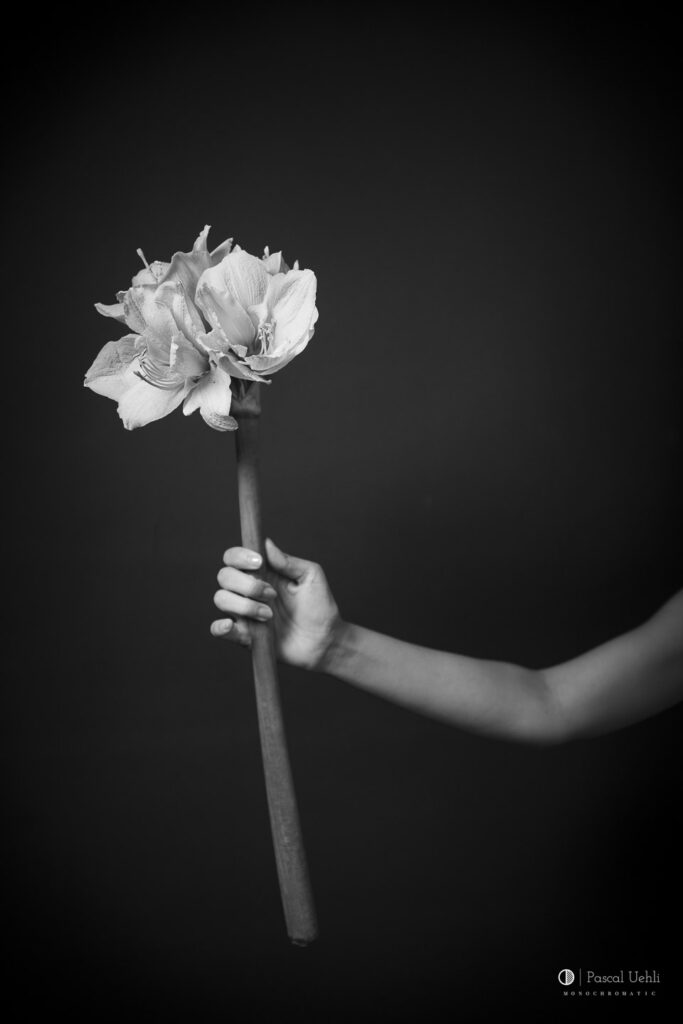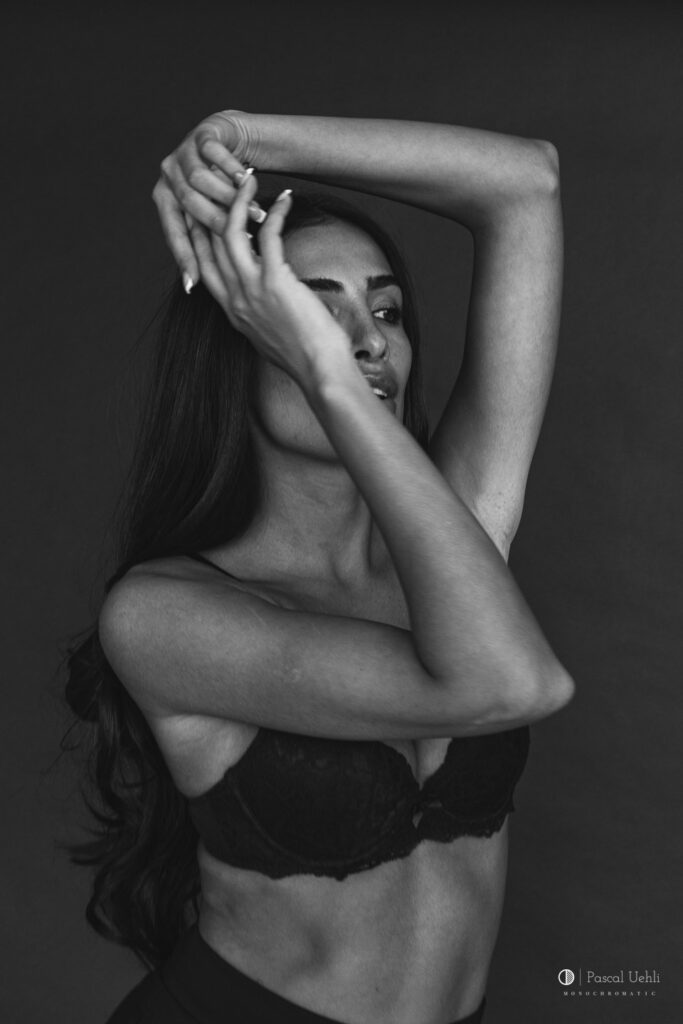
Black and white is not an aesthetic—it is a conscious decision for perception. It reduces everything to relationship, presence, and the desire to create images that are meant to endure.
Black and white is not an aesthetic decision for me, nor a conscious rejection of color. It is an inner attitude with which I approach a person. Whenever I choose black and white, I know that I don’t want to explain, embellish, or distract. I want to see. And allow myself to be seen.
When color disappears, my gaze becomes calmer. I can no longer rely on moods created by tones. I can’t hide behind atmosphere or staging. What remains is the gaze, the posture, tension, uncertainty, presence. Black and white forces me to look more closely—and that is precisely where its strength lies. Not as a stylistic device, but as an invitation to perception.
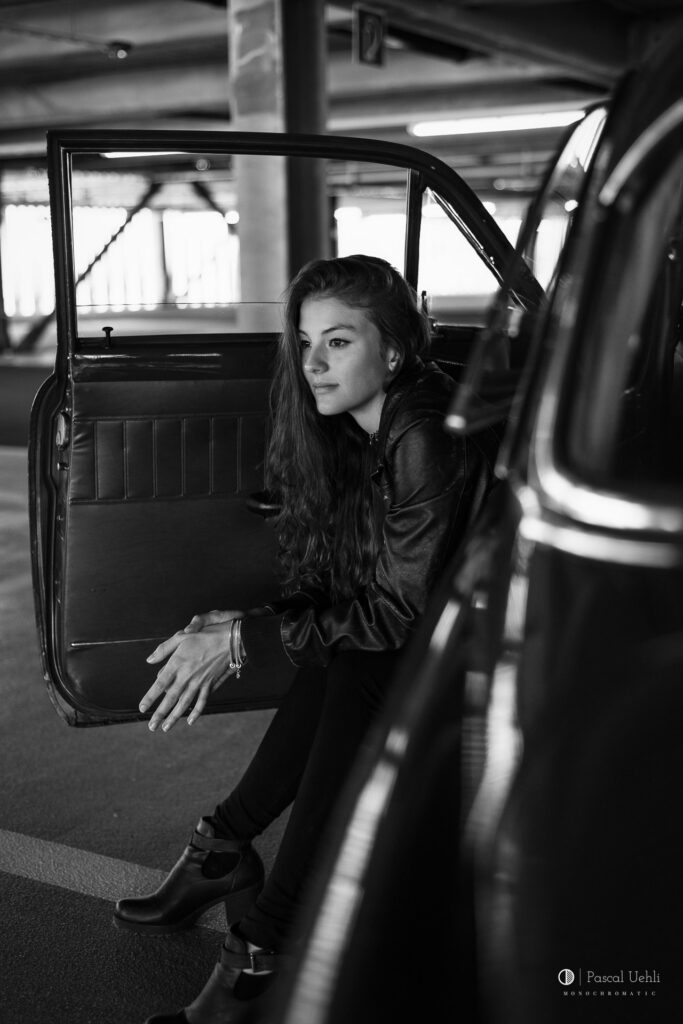
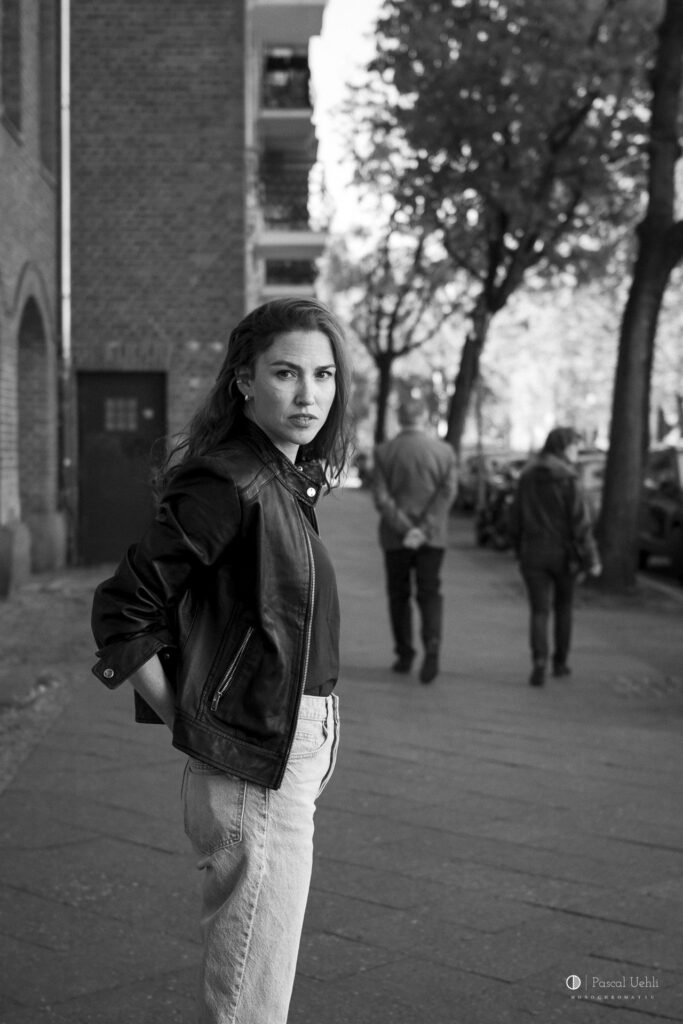
I often experience how the encounter itself changes. People react more sensitively when they sense that no sheen of color protects them. Some become quieter, others more open, others more cautious. These reactions interest me. They are not disturbances; they are part of the portrait. Black and white does not begin in the image—it already works in the space between two people.
For me, reduction means responsibility. When everything superfluous falls away, the image no longer carries itself through fashion, scenery, or visual effects. It carries itself through relationship. Through the trust that emerges—or doesn’t. That is what makes black and white so honest. It leaves me without excuses.
Black and white forces me to be present—otherwise nothing remains.
I don’t try to explain emotions. Black and white helps me leave them open. A portrait may ask questions, may be contradictory, may remain unspoken. In this openness, depth emerges—not because the image is loud, but because it leaves space.
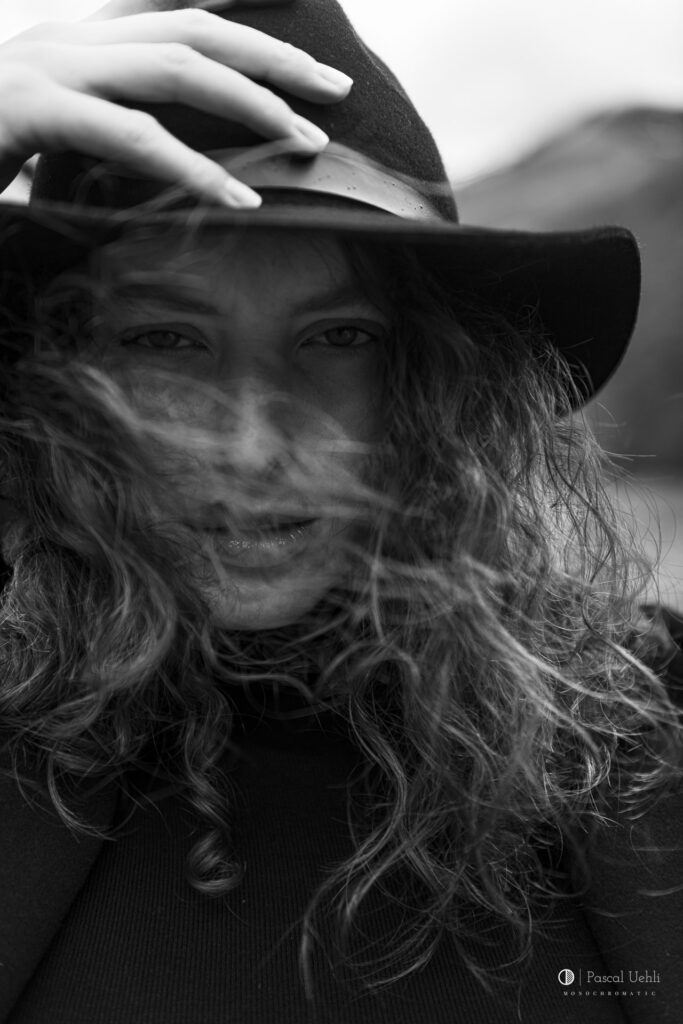
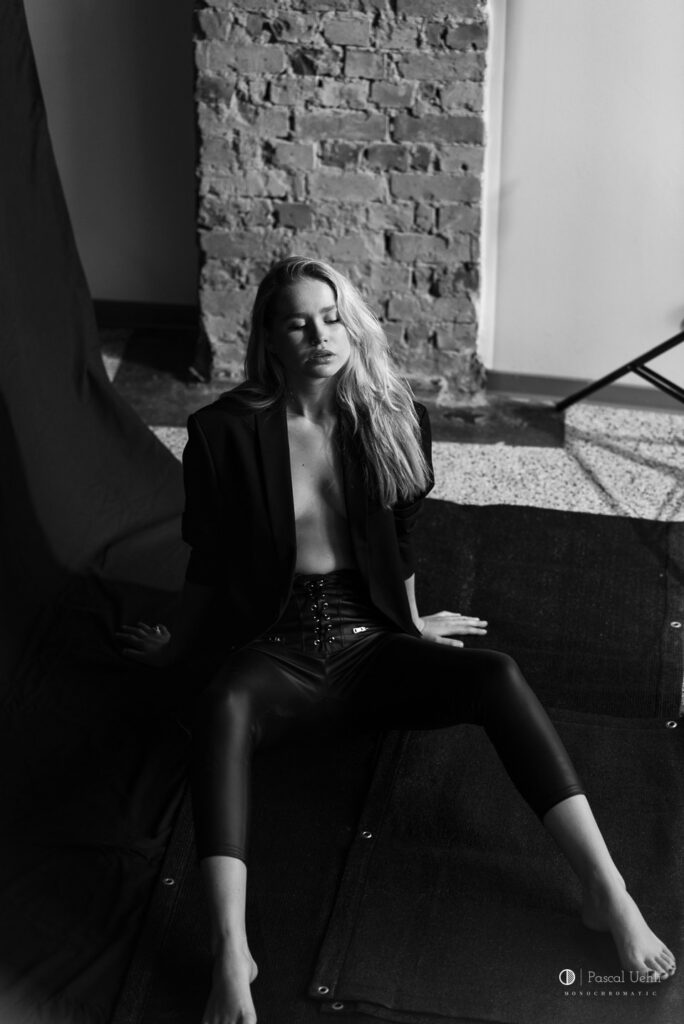
Timelessness is not a coincidence. It is a goal. I want to create images that are not bound to a moment, not to trends, not to the colors of a specific time. Black and white gives me exactly that possibility. It resists quick consumption and opens a space in which an image is allowed to endure—even years later.
Long-lasting photography is not created through perfection, but through clarity. Black and white supports this clarity. It directs the gaze to what truly matters and allows everything else to fade. For me, it is the medium that comes closest to this aspiration.
In the end, I do not choose black and white because it is easier. I choose it because it is more consistent. Because it reflects how I want to meet people—awake, calm, attentive. Black and white is not a look for me. It is a conscious decision for images that are allowed to last.