
People reveal themselves so differently in front of my camera that every portrait feels like a small journey.
I cherish this diversity because it invites me to stay open and attentive. The four color personality types are nothing more than a gentle orientation for me — a language that helps me sense someone’s presence before words appear.
My First Encounters With Human Variety
There are moments in my photographic work that remain with me for years. One of them was a session with a woman whose life had recently been shaken by personal tragedy. She came to the appointment even though she felt uncomfortable and didn’t like being photographed. The moment she stepped into the room, I sensed her uncertainty — and at the same time, her courage to show up at all.
In situations like this, I pause internally. I don’t try to achieve anything right away. Instead, I offer space, speak gently, give subtle cues about posture and confidence, without creating pressure. After about thirty minutes, something shifted:
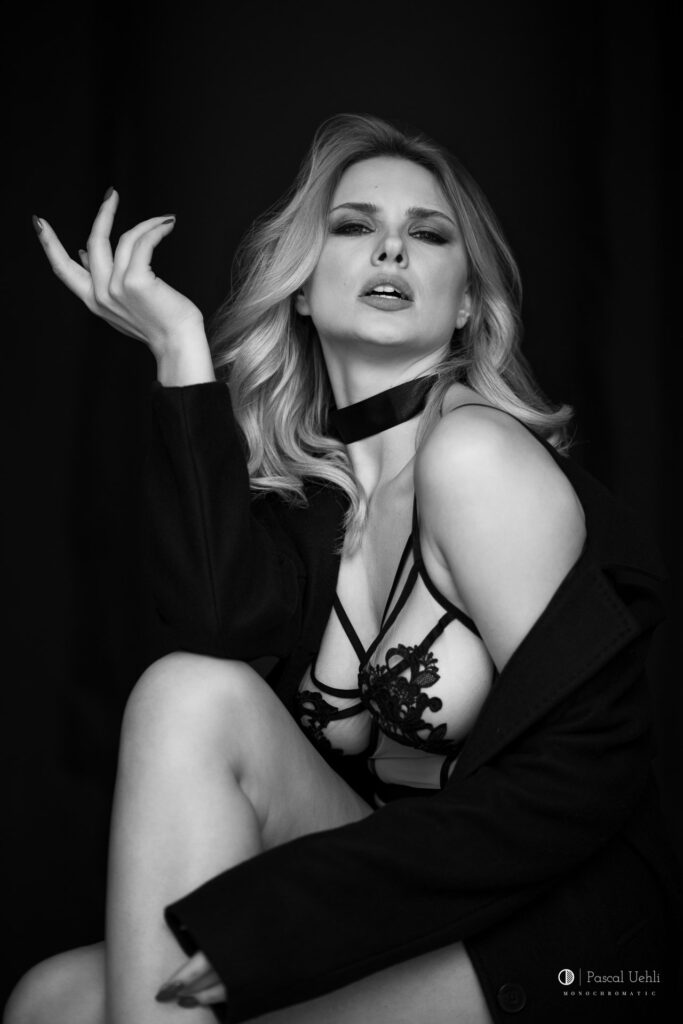
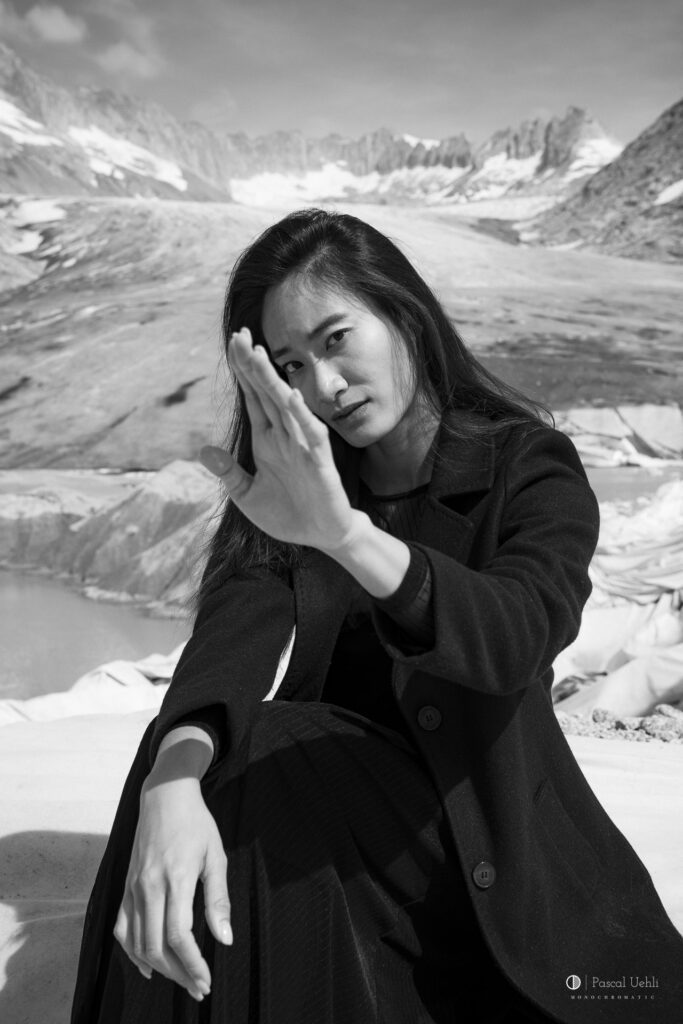
an image emerged in which she recognized herself — stronger, more present than she had believed possible. Her quiet surprise and the tears in her eyes reminded me how deeply a single photograph can touch someone when they feel truly seen.
Four Colors, Four Paths to Connection
Over time, I’ve learned how much the first seconds of an encounter reveal. Often, it’s within these short moments that I understand how easily someone will open up in front of the camera. That’s why I try to sense the color type intuitively within the first two or three minutes — not to categorize, but to speak the language that fits the person standing in front of me.
The green type seeks safety and gentle guidance. I accompany them softly, leaving them with the feeling of moving at their own pace, even if I quietly guide them toward the image I see.
The blue type finds comfort in clarity: steps, structure, direction. This sense of order becomes visible as a calm, focused expression.
The yellow type brings lightness and energy — sometimes entering the room with a smile that opens everything. With them, I create more space for spontaneity, because that is where their authenticity lives.
And the red type appreciates directness. I speak openly about what works and what doesn’t, and this honesty forms the foundation for a strong, confident portrait.
Each type allows closeness in a different way, and this diversity creates the atmosphere in which an image comes to life.

What These Types Teach Me About Closeness
My process always begins with something simple: making sure a person arrives — truly arrives. Not just physically, but internally. I want them to leave their thoughts and worries at the door. Only when I sense that someone has settled into the moment do I pick up the camera.
Over the years, I’ve gained a realization that guides much of my work: I shouldn’t create a photograph because I see it a certain way, but because the person can recognize themselves in it — whether it’s a private portrait or a business assignment. In both cases, my task is to create images that resonate.
Only in my personal photography projects do I work differently. There, I follow my own artistic intuition more freely, allowing my vision to lead the way. These projects serve a different purpose and don’t need to reflect someone’s self-image. This, however, is a topic I’ll explore in a dedicated article.
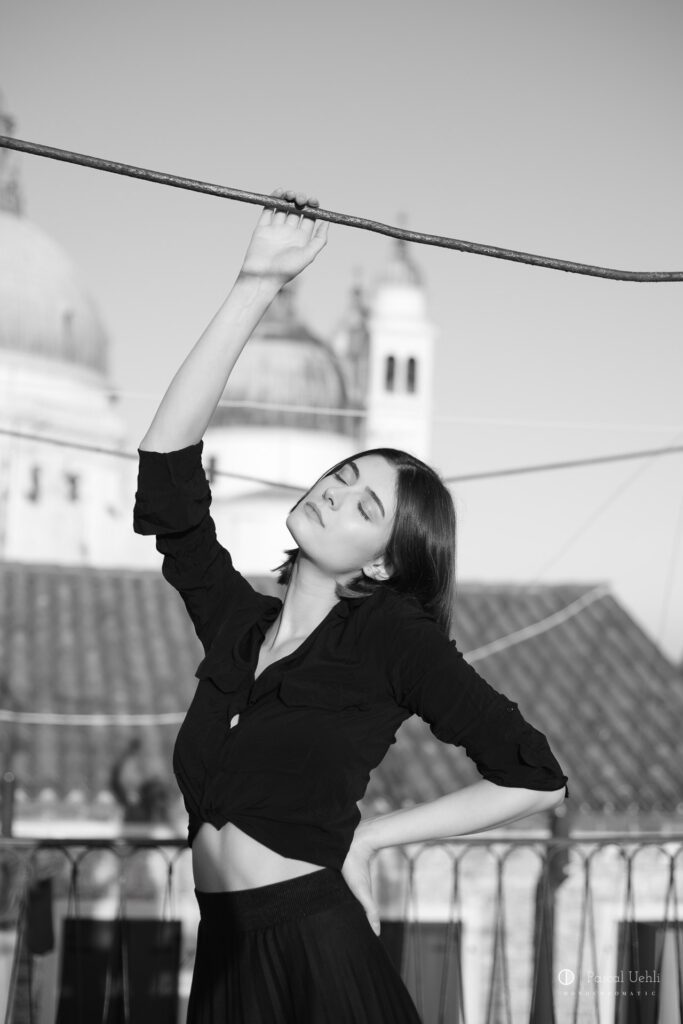
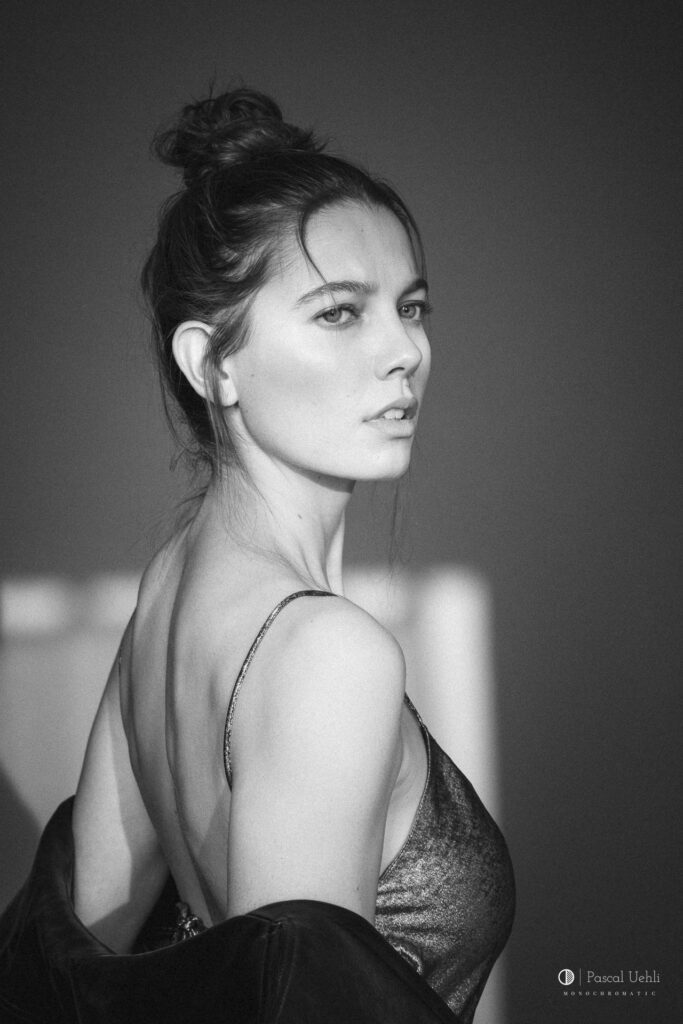
What remains in all my work is a deep sense of gratitude. Every person who trusts me — whether for a long portrait session or a ten-minute corporate photo — gives me something precious. My goal is always the same: to create the best possible image within the time we share, one that reveals something true.
“A portrait does not happen when I press the shutter — it happens when someone feels seen.”
Why This Matters for Photographers
If you work with people in front of the camera — in portraits, editorials, or quick corporate sessions — the four color types can help you sense how to approach someone so they can open up. Not as a rigid theory, but as a gentle orientation for your own presence.
Those first two or three minutes shape everything that follows. If you learn to read how someone enters a room, how they breathe, how they hold themselves, your photography changes. You become calmer, more precise, more intentional in the moments you create.
For me, this is the essence:
- Technique follows connection — never the other way around.
- A portrait is a shared moment carried by attention.
- Anyone who understands this will begin to photograph differently.
More to read
Gold Member+
get access to all content
Subscribe for the GOLD MEMBER+ and get access to all.
See all photographs from my editorial, receive access to additional content and get a voucher for my online photography courses.
SUBSCRIBE NOW
stay up to date
Leave a Reply
You must be logged in to post a comment.