
Portrait photography is a fascinating art form that allows you to capture the essence of a person in a single image. It can express deep emotions and stories, drawing the viewer in. But what exactly makes a good portrait? In this post, I want to show you what portrait photography means, what you can do with it, and which techniques are important.
What Does Portrait Photography Mean?
Portrait photography is the art of photographing people and capturing their personality. It’s not just about looks, but also about feelings and stories. When I take a portrait, I try to show the essence of the person in front of the camera. It’s a way to make someone come alive in a picture. Read on to learn more about it.
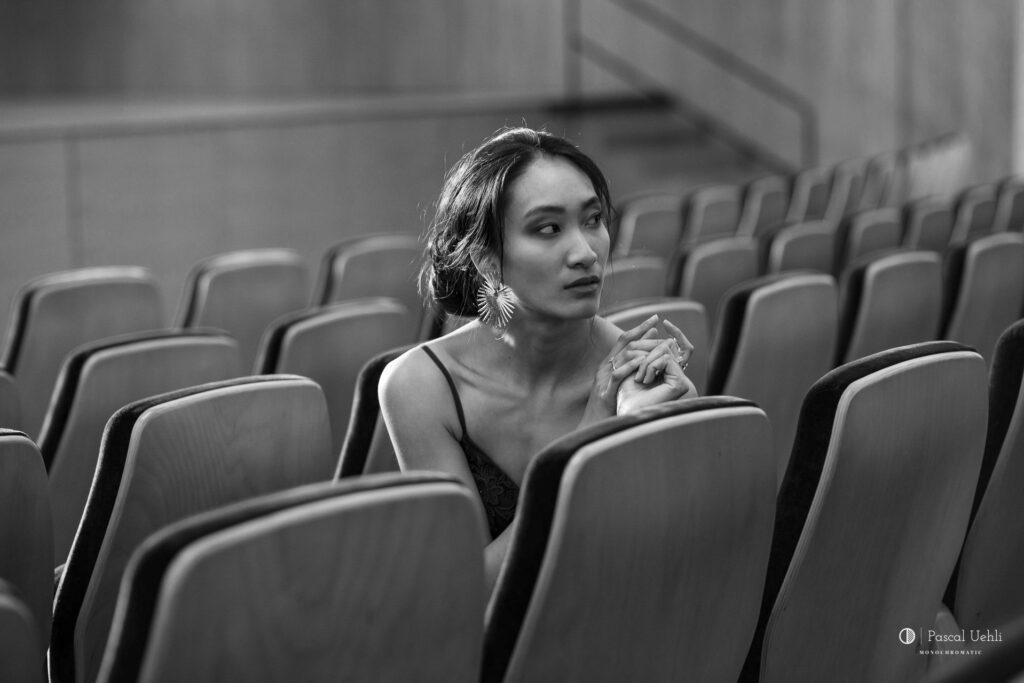
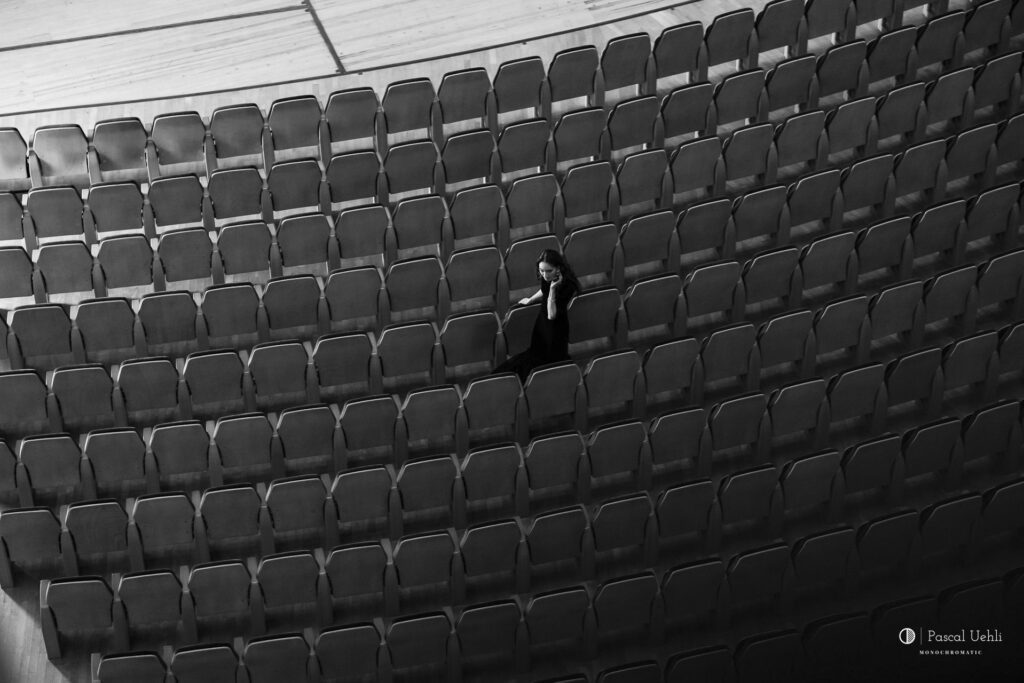
What Can I Do with Portrait Photography?
With portrait photography, I can express many different things. A good portrait can be dramatic by cleverly using light and shadow. It can convey strong emotions and stories. Many people also use portrait photography in reportage to document people and their life stories. Two other examples of its use are fashion photography, where the focus is on showcasing clothing and style, and business photography, where professional portraits are made for companies.
The Importance of Emotions in Portrait Photography
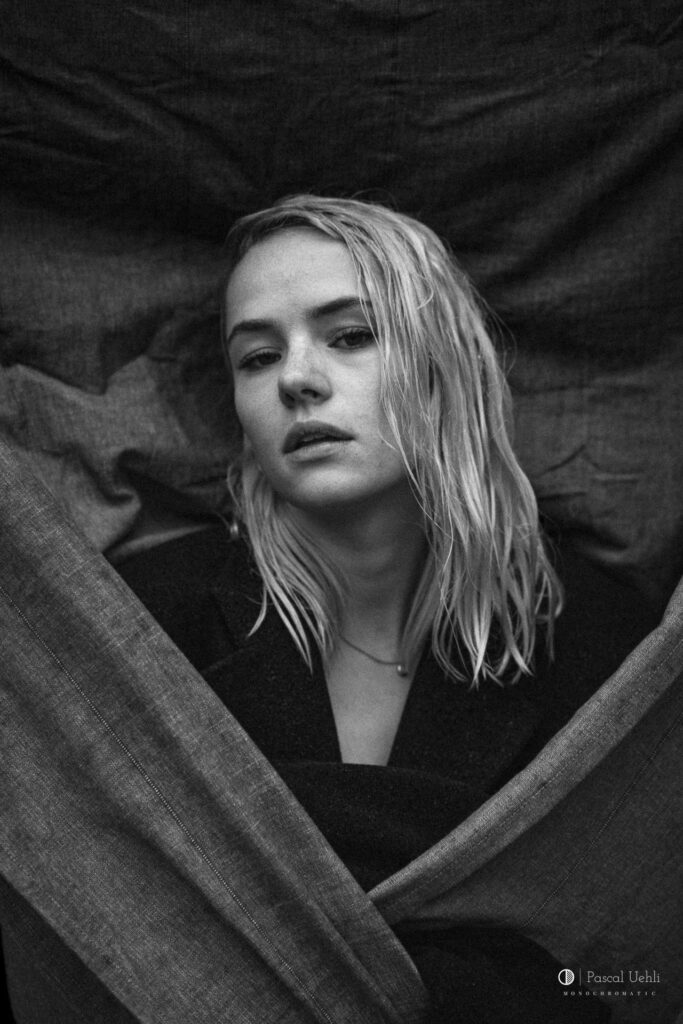
In portrait photography, emotions play a central role. They are what make an image come alive and give it depth. When I’m looking for models for a shoot, I always end up choosing those who can convey the most emotion. A model who can express strong emotions adds depth to the portrait and captivates the viewer.
Why is this so important? In portrait photography, the goal is to capture more than just the outward appearance of a person. A good portrait reveals the inner self—the feelings and personality of the subject. This is where the ability of a model to authentically express emotions becomes crucial.
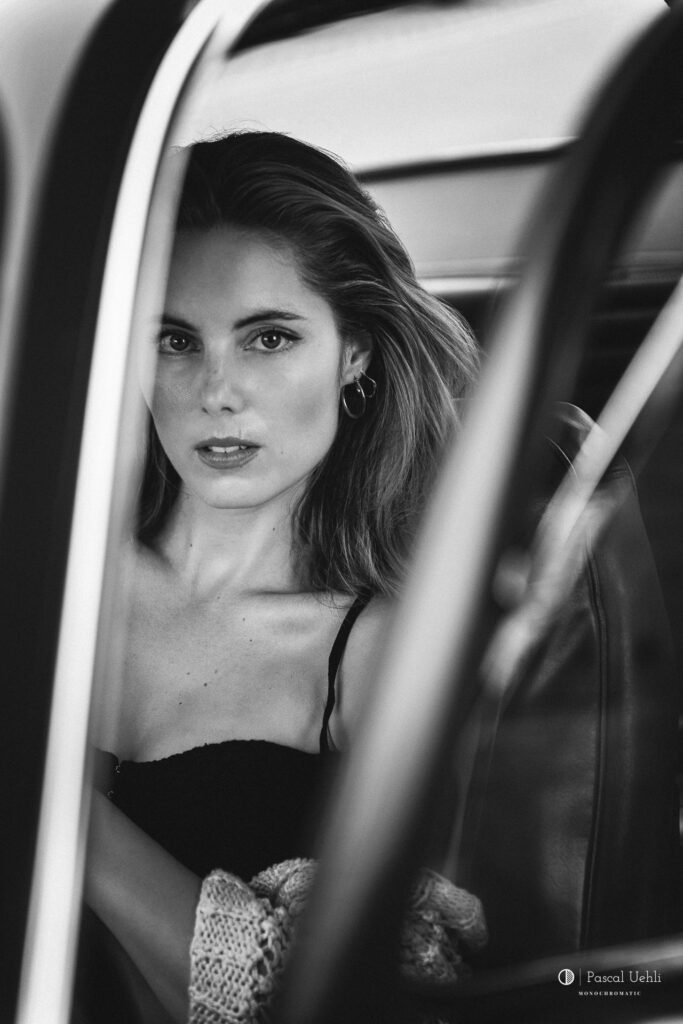
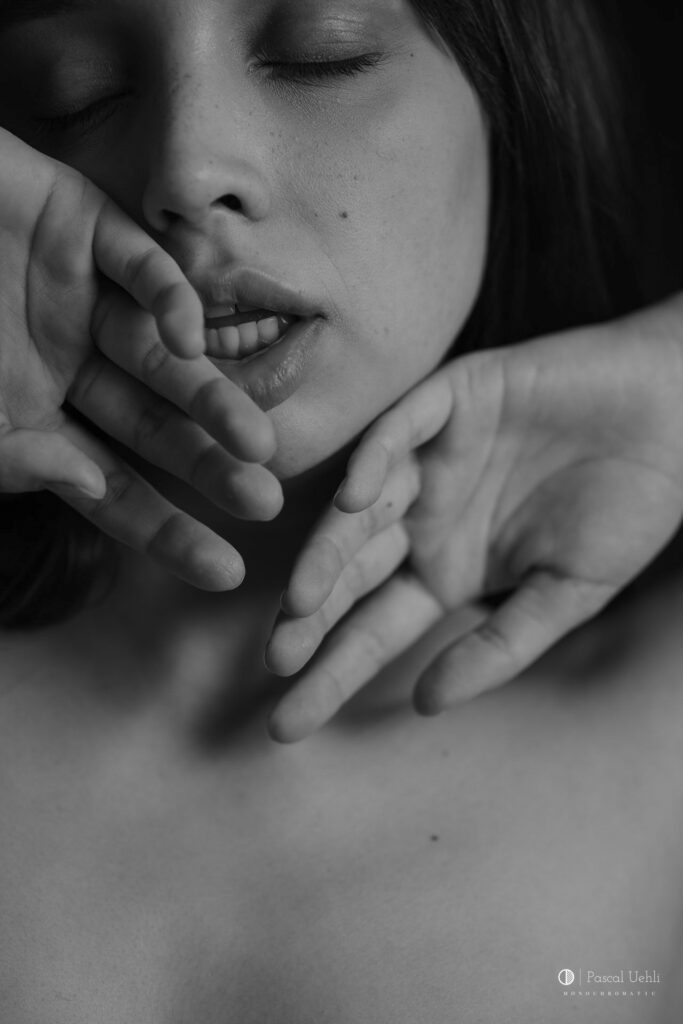
As a photographer, I can influence a model’s emotional state through the right approach, creating a relaxed atmosphere, or playing appropriate music in the background. But ultimately, the success of the portrait largely depends on how well the model can embody the desired emotions. Not every model is suited for every project. Some are simply better at conveying certain feelings and moods, while others may not be as convincing.
After many years in portrait photography, I’ve learned that selecting the right model for each project is critical. Not all models can provide the emotional range needed for a specific portrait. That’s why it’s important to know who you’re working with in advance. If I already know the models and understand how they respond in different situations, it makes my job much easier.
In portrait photography, emotions are the key to creating powerful and moving images. Choosing the right model, who can genuinely convey the desired feelings, is what makes the difference between a simple photo and a portrait that truly resonates.
The Role of Focus and Tension in Successful Portrait Photography
Beyond emotions, another critical element in successful portrait photography is the ability to draw and maintain the viewer’s focus on the model. This is where the concept of a tension arc becomes vital. A tension arc in photography helps to keep the viewer’s interest engaged. In portrait photography, this means that the image remains exciting and captivating, ensuring that the viewer’s attention is firmly centered on the model.
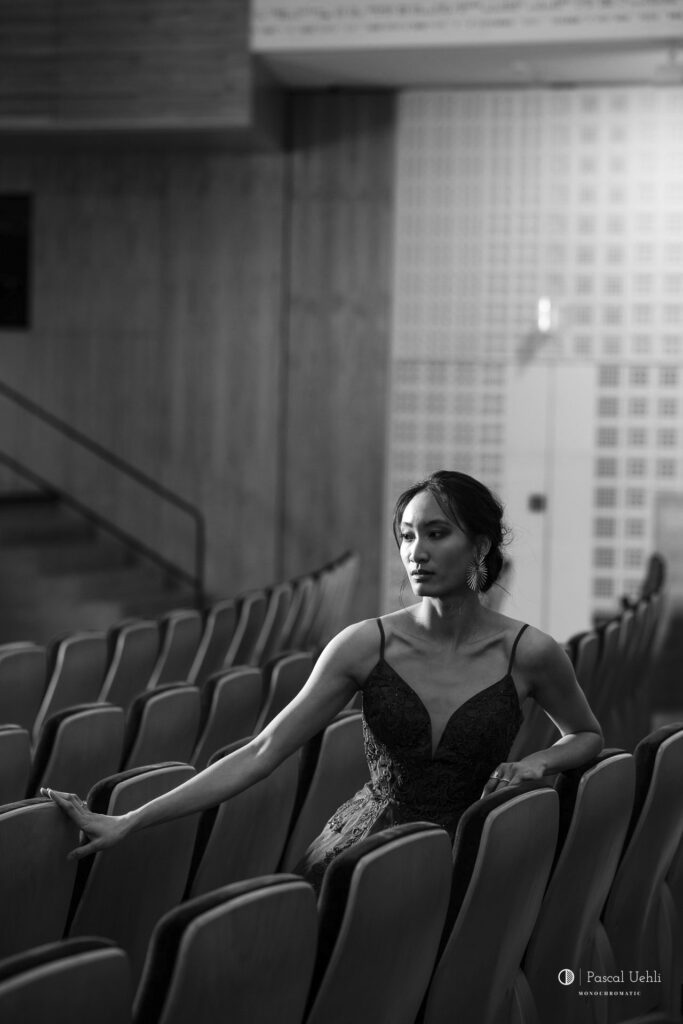
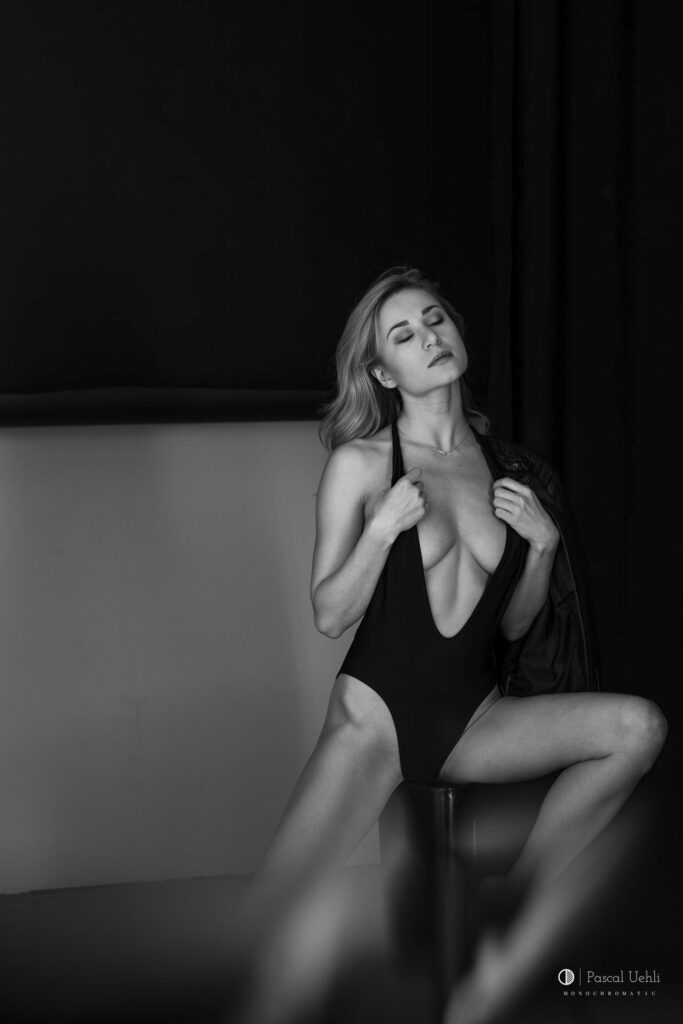
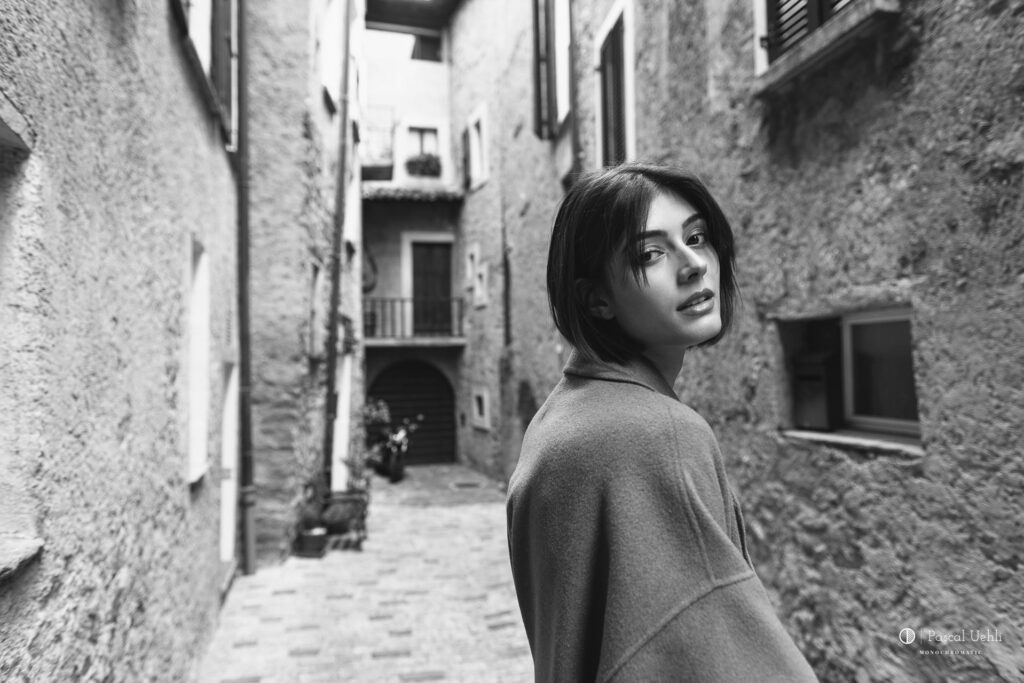
One effective technique to create this tension and maintain focus is the rule of thirds. By placing key elements of the portrait, such as the eyes or facial features, along the lines or intersections of the grid, the image becomes more dynamic and visually appealing. This composition not only makes the picture feel more balanced and harmonious but also enhances the overall tension in the photograph, guiding the viewer’s gaze directly to the model.
When combined with the model’s ability to express genuine emotions, this approach ensures that the portrait is not just a photograph but a compelling narrative that holds the viewer’s attention. By carefully considering both the emotional depth of the model and the composition of the shot, I can create portraits that are powerful, engaging, and truly unforgettable.
Contemporary Photographers Who Have Defined Portrait Photography
There are many photographers who have impressively influenced portrait photography. One of them is Annie Leibovitz, known for her iconic portraits of celebrities. Her ability to capture intimate and powerful moments has made her famous. Another significant photographer is Steve McCurry, known for his striking reportage portraits from around the world. His pictures tell stories and deeply move people. A third influential photographer is Peter Lindbergh, who revolutionized fashion photography. His natural and unretouched portraits highlighted the beauty and personality of the models.

Summary
In portrait photography, emotions and composition are crucial for a successful image. A model who can authentically express strong feelings adds depth to the portrait and captivates the viewer. At the same time, it’s important to direct the viewer’s focus onto the model, which can be achieved through the use of a tension arc and the rule of thirds. These techniques ensure that the image is both engaging and harmonious. The combination of the model’s emotional expressiveness and thoughtful composition results in powerful portraits that leave a lasting impression. Thus, the photograph becomes more than just a likeness—it becomes a compelling narrative.
Leave a Reply
You must be logged in to post a comment.