
Sometimes I forget how much more my work is than the simple act of pressing a shutter. In the moment of encounter, a photographer becomes a person of trust, a quiet psychologist, and often something else entirely—somewhere between companion, translator, and mirror. This is where the real depth of the craft begins: it requires intention, awareness, and a sincere understanding of people.
Trust Begins in the Moment
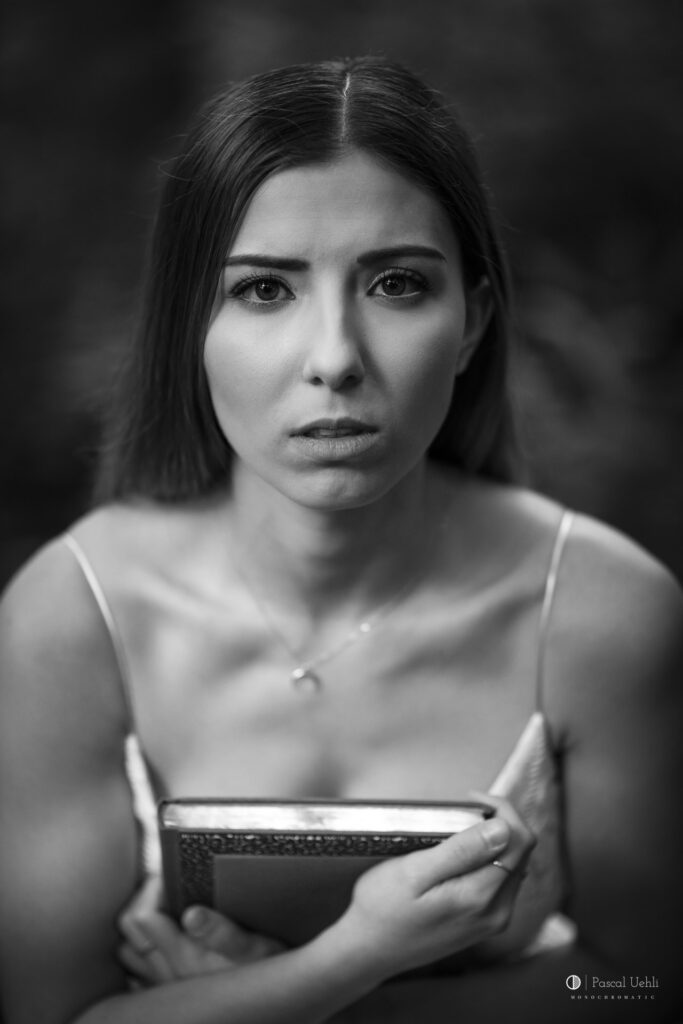
When you stand in front of my camera, you open an invisible door—one that only reveals itself for a brief instant. I’ve learned not to take this trust for granted, because it appears softly, sometimes cautiously, sometimes courageously, sometimes searching. In these moments, I’m not simply the photographer completing a task; I’m someone who creates safety, calmness, and a protected space in which a person can unfold.
“A true portrait is born not in the light, but in the trust between us.”
A person can only be photographed truthfully when they feel seen. And this seeing has less to do with the eyes and far more with inner presence. That’s why it’s so essential for me to understand the nature of trust: how it appears, how it stays, and how it allows authenticity to surface.
Psychology in Every Gesture
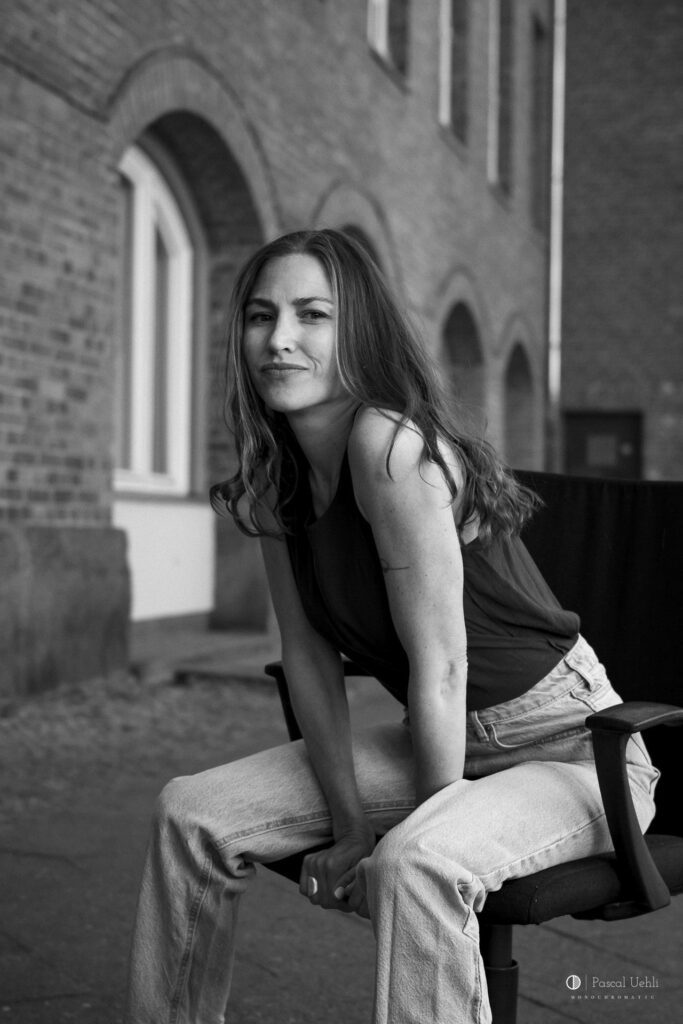
Even though I’m not a trained psychologist, I work with human emotions, subtle patterns, and uncertainties every single day. A portrait is always a conversation, even when no words are spoken. I observe how someone breathes, how they hold themselves, where their thoughts drift. I often notice the moments when someone hides or when a brief spark of authenticity emerges. That’s when the real work begins: to guide gently without shaping, to support without pushing.
For me, psychology is not analysis—it is empathy. The ability to sense someone’s inner landscape and treat it with respect. A photographer who understands this does not just capture a face; they reveal an inner movement that might otherwise stay unseen.
The Quiet Translator
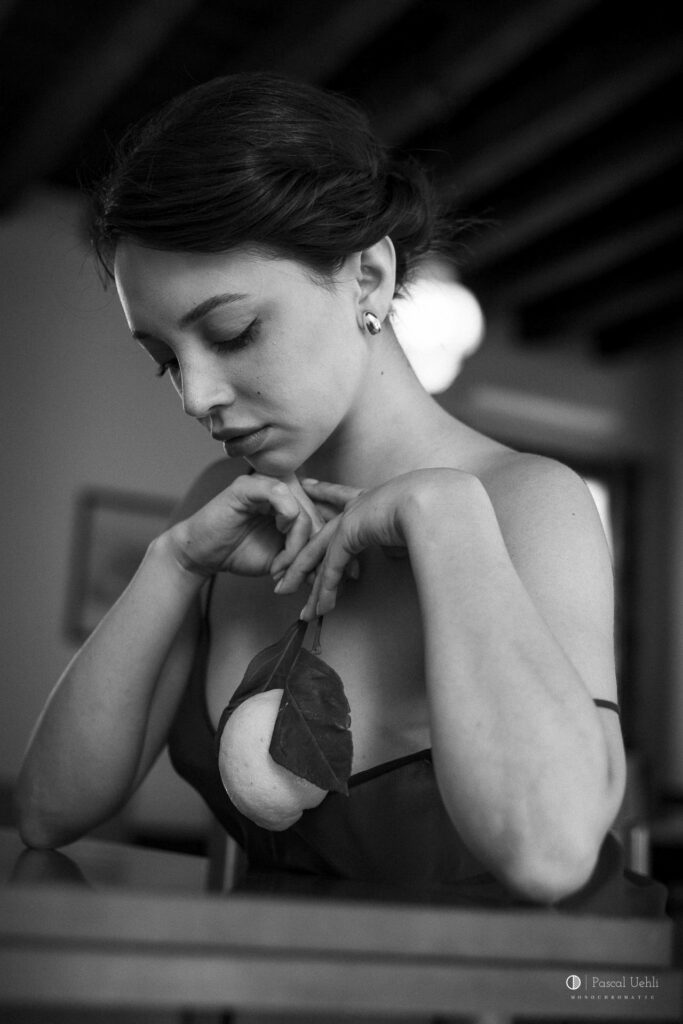
Again and again, I find myself becoming a third thing in my sessions: a translator. I translate moods into images, the unspoken into expression, and inner truths into shapes of light and presence. Many people don’t know how they want to appear in front of the camera; sometimes they only feel a vague sensation within them. I listen, I observe, and I find a visual language that mirrors that feeling. This is where the magic of portraiture unfolds: when an image shows not only what someone looks like, but who they are in that moment.
Why All of This Matters
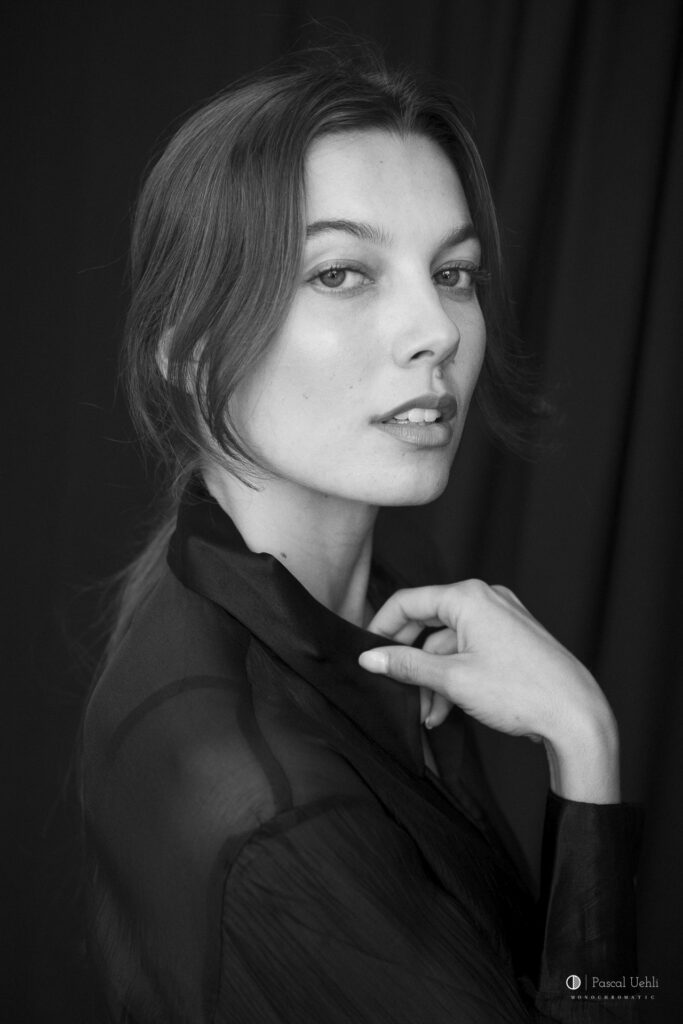
A photographer who believes they’re “just” a photographer will eventually meet their limits. Photography is relationship. Photography is perception. Photography is a quiet dialogue between two people who meet for a fleeting moment. When I understand trust, I can create spaces where people open up. When I recognize the psychological dimension, I can guide gently without overwhelming. And when I accept my role as translator, I can create images that speak more deeply than words ever could.
More Than a Profession
To me, a photographer is a companion, a listener, a translator, and sometimes a mirror that gently reveals what a person may not yet see in themselves. Perhaps that’s why I love this work so deeply: it reminds me every day how complex and beautiful human encounters can be—and that photography always begins where two people truly see one another.
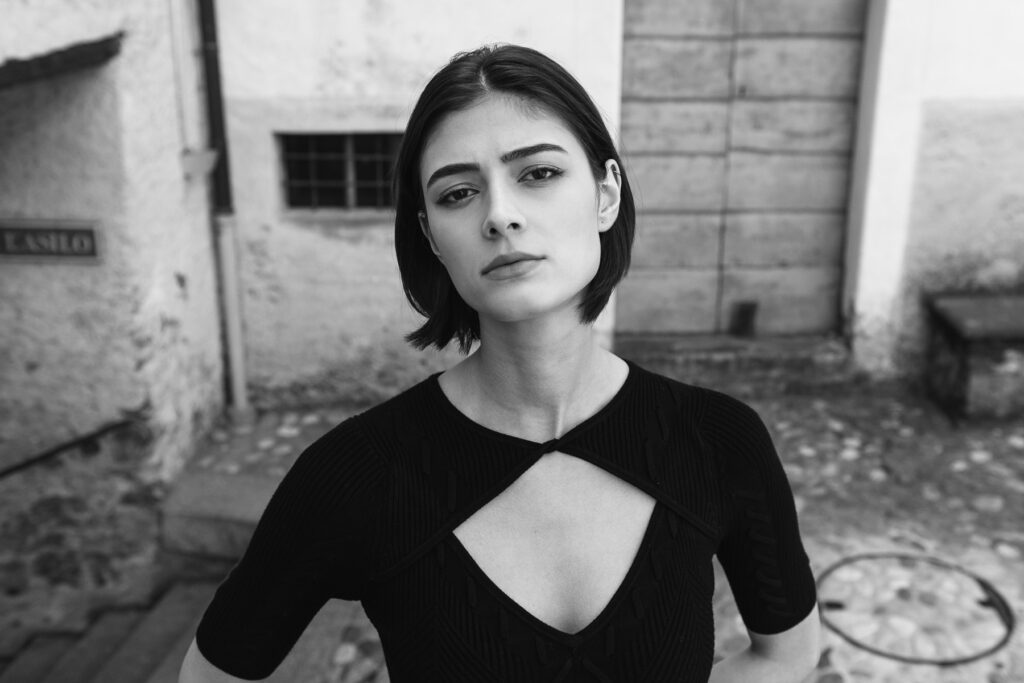
Key Points at a Glance
- A photographer is more than a technician — he becomes a trusted presence who creates safety and openness.
- Trust is essential, because genuine portraits only arise when a person feels truly seen.
- Psychological sensitivity plays a central role in understanding emotions, insecurities, and subtle shifts in expression.
- The photographer acts as a translator, turning inner states and unspoken feelings into a visual language.
- True photography is a relationship: a quiet dialogue between two people meeting authentically in a shared moment.
More to read
Gold Member+
get access to all content
Subscribe for the GOLD MEMBER+ and get access to all.
See all photographs from my editorial, receive access to additional content and get a voucher for my online photography courses.
SUBSCRIBE NOW
stay up to date
Leave a Reply
You must be logged in to post a comment.